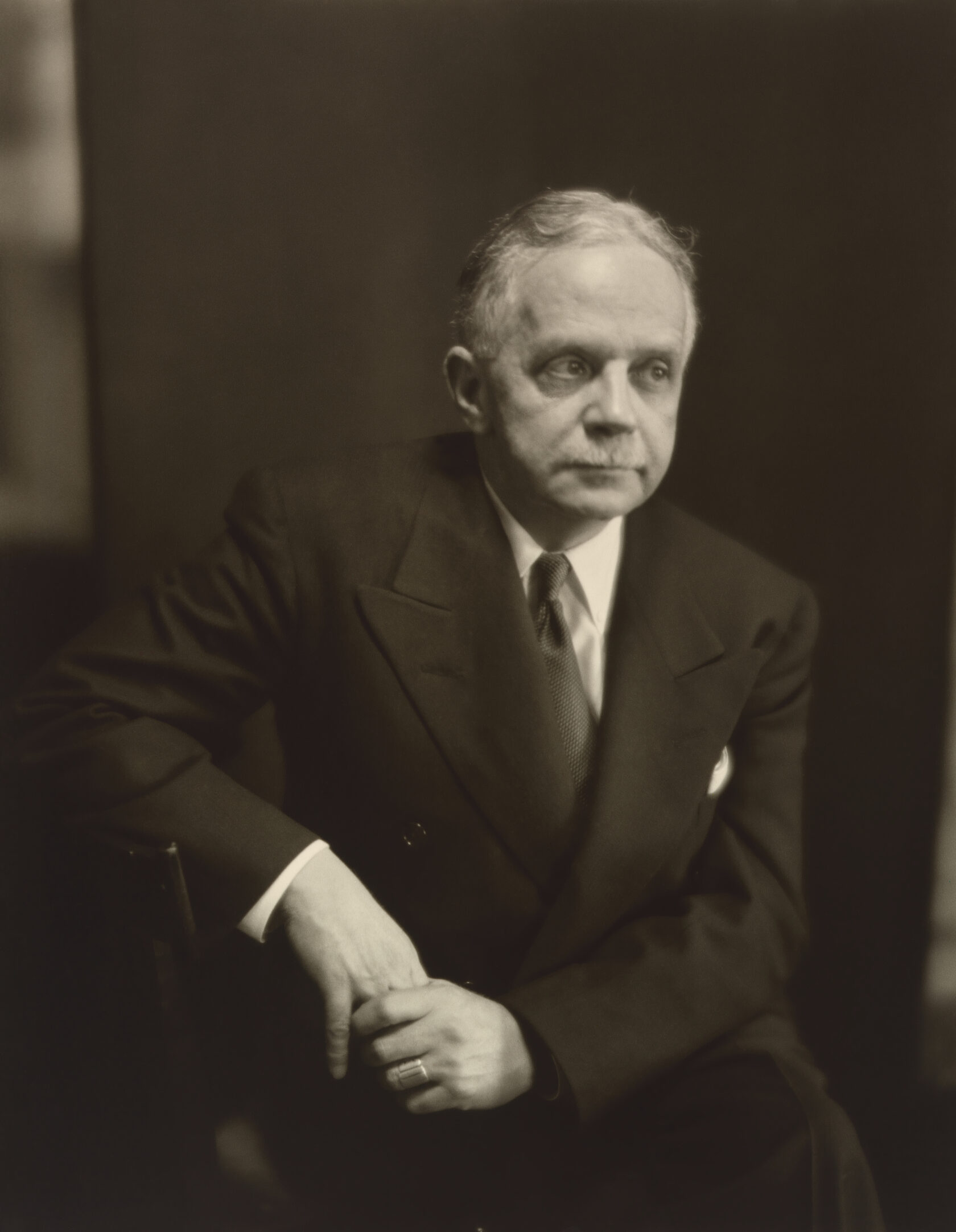
Legacy In Full: Walter White, Imperfection, and Inheritance
Legacy is rarely a tidy, polished thing. We like to imagine it as a curated record of accomplishments—carefully chosen moments and virtues, arranged so the flaws fade into the background. But real legacy is messier. It’s a mix of triumphs and mistakes, of the ways we rose to meet the world and the ways we fell short.
My great grand-uncle, Walter Francis White, lived that complexity in full view. As secretary of the NAACP, he risked his life investigating lynchings, pushed for anti-lynching legislation, and fought for civil rights at a time when doing so could cost you everything. His work changed the course of history for Black Americans.
But his story was not without contradictions. A Black man who could pass for white, he navigated a complicated personal identity, sometimes seen as distant from the very community he championed. His leadership was bold, but his ambition and ego could alienate allies. The PBS documentary Forgotten Hero: Walter White and the NAACP and his biography both paint a fuller picture—one where courage and fallibility exist side by side. Hearing about his faults didn’t always feel good, but it made him more real. More human.
That humanness matters to me. In my own work as a death doula, I hold space for people in their most vulnerable moments. I sit at bedsides, guide families through grief, and help shape the final chapters of life with intention. My work is quieter than Walter White’s public fight for justice, but we share a willingness to face hard truths without turning away.
I don’t know how my own legacy will be remembered—or if it will be remembered at all beyond the lives I’ve touched. But I hope those who knew me will say they felt seen, heard, and cared for. That I brought dignity to death, and gentleness to grief.
Walter White’s legacy is a reminder that we cannot control how we are remembered. We can only live with integrity in the moment we have. Our stories will include our victories and our mistakes, our brilliance and our blind spots. And maybe that’s what makes a legacy truly human—it tells the whole truth, not just the parts we’re proud of.
For me, that truth will be this: A reminder that death, like life, deserves care and dignity. That grief is not something to be rushed through, but something to be tended to. That our legacies are not just in what we do, but in how we make people feel. I chose to walk into the tender, difficult spaces of life’s end, to sit with what others might turn away from, and to leave behind not a perfect record, but a lasting presence.
